
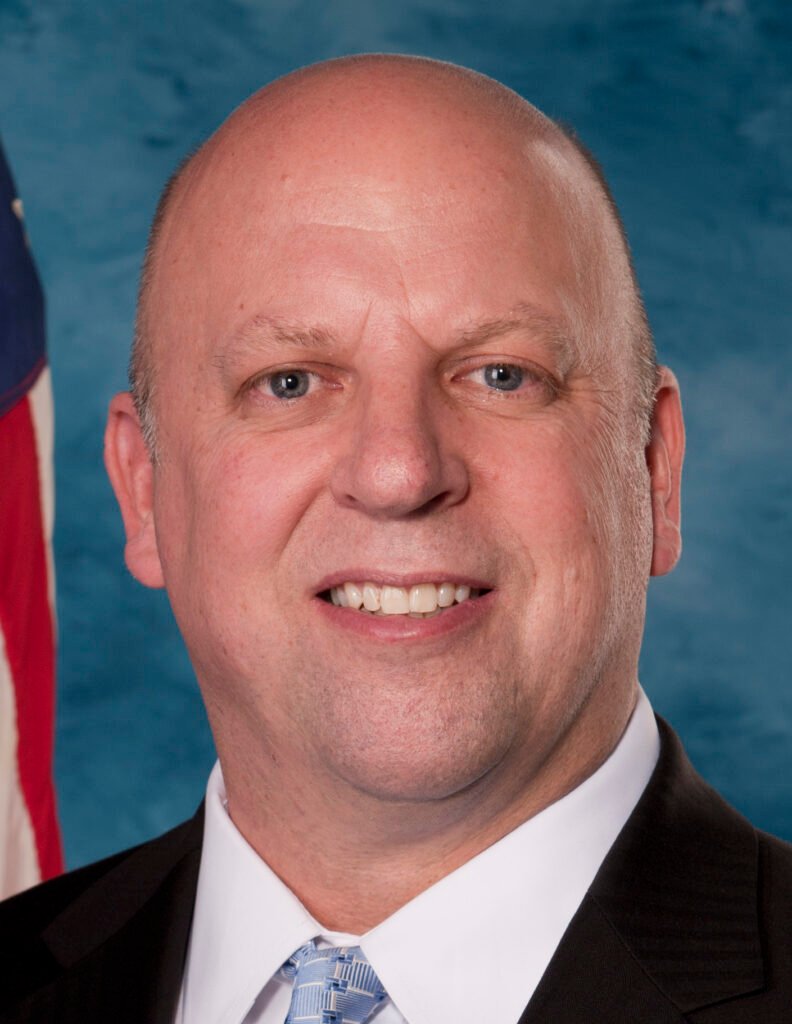
Scott DesJarlais’s official portrait, 112th Congress, 2011. Photo: U.S. House of Representatives / Wikimedia Commons, public domain. Previously cropped on Commons.
The Scott DesJarlais scandal centered on reports about extramarital relationships, abortion-related statements, and sexual relationships with patients before his election to Congress. The principal revelations became public in 2012, and Tennessee’s medical board reprimanded him in 2013. These are historical events, not a newly announced 2026 criminal case.
DesJarlais, a physician and Republican representative from Tennessee, became nationally controversial because the reported conduct conflicted with the anti-abortion positions he promoted in public office.
Who Is Scott DesJarlais?
His official congressional biography describes a medical career preceding his election to the U.S. House in 2010. He began representing Tennessee’s 4th Congressional District in January 2011.
That sequence matters. The personal conduct described in the scandal largely concerned an earlier period, while the disclosures emerged after he had become a member of Congress. The dates of the conduct, its publication, and the disciplinary response should not be conflated.
What Did the 2012 Reports Reveal?
UPI’s November 15, 2012 report, drawing on divorce testimony, said DesJarlais admitted relationships involving patients, co-workers, and a pharmaceutical representative. The testimony came from his earlier divorce proceedings.
The controversy also included reporting about a recorded 2000 telephone conversation in which he urged a patient with whom he had a relationship to obtain an abortion after she said she was pregnant.
These accounts were based on reported records and testimony. They should be described with that attribution rather than expanded into unsupported allegations about other patients or later conduct.
Why Did Abortion Become Central to the Controversy?
The same reporting said DesJarlais had supported two abortions obtained by his former wife before their marriage. The timing is significant: descriptions that place those two abortions during their marriage misstate the reported chronology.
The political issue was the contrast between those accounts and his public anti-abortion stance. Critics argued that the discrepancy raised questions about consistency and judgment.
The patient relationships also raised a separate professional issue. A medical board’s examination of boundaries between doctors and patients is different from a political debate over a lawmaker’s policy positions.
What Action Did the Medical Board Take?
A copy of Tennessee’s May 2013 disciplinary report records a May 22 consent order reprimanding DesJarlais and imposing a $500 civil penalty plus costs.
Roll Call’s contemporary coverage identified $1,000 in costs in addition to the $500 penalty. It reported that the action concerned sexual relationships with two patients and that DesJarlais accepted the ruling.
He said he took responsibility for past mistakes, according to that coverage. The documented outcome was a professional reprimand and financial penalties. It should not be rewritten as a prison sentence or a criminal conviction.
How Does the November 2026 Election Fit In?
Renewed attention to DesJarlais’s record followed the November 3, 2026 election. Tennessee Lookout reported on November 4 that Democrat Victoria Broderick claimed victory with a narrow lead in unofficial results, while DesJarlais had not conceded in the report’s account.
That electoral development is separate from the old medical disciplinary case. An election result is not a new finding about the underlying conduct, and unofficial vote totals should not be confused with certified results.
The clearest timeline remains: earlier conduct and divorce proceedings, public disclosures in 2012, and medical-board action in 2013. Keeping those stages distinct gives readers a more accurate account of what happened and when.


